Ayurveda in Sri Lanka: History, Culture and Practiceee
Amaar Adamaly
Published On
26 November 2025
A Living Heritage of Healing
Across Sri Lanka’s lush landscapes, Ayurveda is not a new trend, it is a legacy. The island’s healing traditions stretch back thousands of years, intertwined with history, spirituality, and community. From the royal courts of ancient kings to today’s tranquil wellness resorts, Ayurveda in Sri Lanka remains a living, breathing practice that bridges past and present.
The word Ayurveda, “the science of life”, found fertile ground here centuries ago, blending with the island’s indigenous healing systems known as Hela Wedakama. Together, they created a uniquely Sri Lankan approach to wellness: deeply herbal, earth-centered, and spiritually grounded.
The Ancient Roots of Sri Lankan Ayurveda
The story of Ayurveda in Sri Lanka begins long before modern medicine or pharmaceuticals. Archaeological and literary records, such as the Mahavamsa (the Great Chronicle), reveal that as early as the 4th century BCE, King Pandukabhaya established dedicated healing centers and maternity homes throughout his kingdom. These were among the world’s first recorded hospitals, evidence that healthcare was both institutionalized and revered.
Over centuries, Sri Lanka developed its own Ayurvedic identity, fusing classical Indian knowledge with native healing wisdom. Local physicians expanded herbal pharmacopeias using plants found only on the island, such as Gotukola, Polpala, Venivel, and Ranawara. These herbs became central to healing not only the body but also the mind.
The country’s royal families played a key role in preserving these practices. King Buddhadasa (398 AD), himself a physician-king, is remembered for writing Sarartha Sangrahaya, one of the earliest Sri Lankan medical texts. His reign symbolizes how medicine and moral duty were intertwined, healing was considered both service and spirituality.
The Evolution of Ayurveda through the Ages
Throughout Sri Lanka’s history, Ayurveda evolved alongside Buddhist philosophy. Temples and monastic schools became centers of healing and learning, where monks studied herbs, anatomy, and meditation together. This integration of spiritual mindfulness into physical care became a defining feature of Sri Lankan Ayurveda.
During the colonial era, first under the Portuguese, then Dutch, and finally British rule — traditional medicine faced suppression as Western systems were imposed. Yet, Ayurveda endured in rural villages, passed down within families known as Veda Parampara. These family lineages safeguarded ancient recipes, treatment techniques, and diagnostic methods.
By the early 20th century, a cultural revival began. Leaders and physicians recognized the importance of reclaiming indigenous knowledge. The government established the Department of Ayurveda and later the Institute of Indigenous Medicine at the University of Colombo, giving formal recognition and scientific study to Ayurvedic education.
Today, Ayurveda is a legally recognized healthcare system in Sri Lanka, practiced in hospitals, clinics, and homes across the island.
The Uniqueness of Sri Lankan Ayurveda
Although it shares roots with Indian Ayurveda, the Sri Lankan version carries its own distinct personality, shaped by geography, culture, and spirituality.
- Integration with Hela Wedakama: Sri Lanka’s indigenous system emphasizes local herbs, astrology, and spiritual healing rituals. Together with classical Ayurveda, it forms a holistic approach that treats the physical, mental, and emotional layers of illness.
- Herbal Diversity: With over 1,400 medicinal plant species, Sri Lanka’s tropical climate provides unmatched herbal variety. Many Ayurvedic oils and balms, such as the globally recognized Siddhalepa and Link products, are made from these native ingredients.
- Personalized Therapies: Sri Lankan Ayurveda pays close attention to body type, diet, and even the climate of a person’s home region. This personalization ensures that healing is sustainable, not surface-level.
- Mind-Body-Spirit Connection: Ayurveda here is deeply tied to mindfulness and Buddhist ethics. Healing often includes meditation, chanting, or prayer, reinforcing inner balance alongside physical health.
Ayurveda’s Role in Modern Sri Lankan Culture
In modern Sri Lanka, Ayurveda is more than a healthcare practice, it’s a way of life. Across towns and villages, herbal teas replace soft drinks, and daily routines often reflect Ayurvedic wisdom: waking before sunrise, eating freshly cooked meals, and ending the day with warm herbal baths or oil massages.
The government continues to invest in research, education, and integration of Ayurveda into the public health system. In many hospitals, patients can choose between Western and Ayurvedic treatments, or combine both for optimal results.
Ayurveda also plays a vital role in Sri Lankan homes. Many families keep small home gardens stocked with medicinal herbs. When a child catches a cold, a parent might brew coriander seed tea; when digestion feels sluggish, Gotukola sambol becomes part of lunch. Healing remains an intimate, household affair.
Ayurveda and Tourism: The Island of Wellness
Sri Lanka has become one of the world’s top destinations for wellness travel, drawing thousands seeking rejuvenation through authentic Ayurvedic retreats. From seaside sanctuaries in Bentota to misty hill-country resorts in Kandy, these experiences blend ancient healing with luxury hospitality.
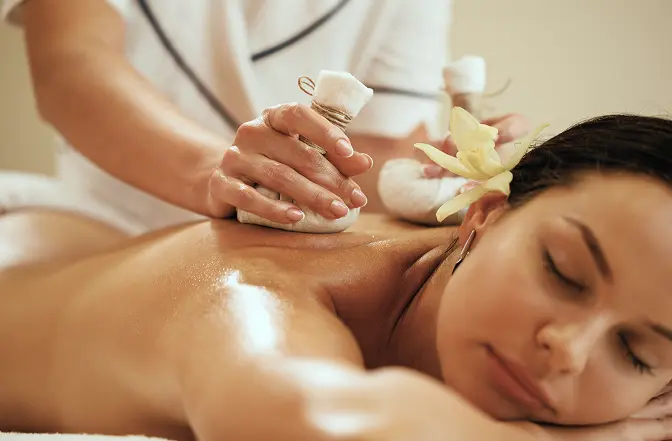
Visitors typically begin their stay with a consultation by an Ayurvedic doctor who determines their dosha balance and recommends customized treatments. Days are then filled with warm oil massages, herbal steam baths, yoga, meditation, and meals prepared to nourish digestion and calm the mind.
For many travelers, this is not just a spa experience but a reset, a reminder of simplicity and presence. The slower rhythm of life, the sound of ocean waves during meditation, and the scent of sandalwood oil make Sri Lanka’s Ayurveda uniquely therapeutic.
These retreats also empower local communities, sustaining small-scale herb farms, traditional oil producers, and village therapists, ensuring Ayurveda remains both culturally alive and economically meaningful.
The Future of Ayurveda in Sri Lanka
As Sri Lanka moves toward modernization, Ayurveda continues to adapt without losing its soul. Universities now combine ancient practice with scientific validation, studying herbal efficacy and disease management. Younger generations of physicians are integrating digital tools and research data to elevate Ayurveda’s credibility globally.
At the same time, there’s a growing awareness of environmental preservation, since the sustainability of Ayurvedic medicine depends on protecting the forests and farmlands where healing plants grow. Several eco-projects now focus on replanting endangered medicinal species, merging conservation with cultural heritage.
Globally, Sri Lankan Ayurveda is beginning to stand out for its authenticity and warmth. Its blend of tradition, spirituality, and personalized care offers an antidote to modern burnout, a message that resonates universally.
A Heritage to Cherish
To walk into a Sri Lankan Ayurveda center is to step into living history, one where wisdom still flows from hand to hand, leaf to leaf. It is not a relic of the past but a thriving philosophy of compassion and connection.
As Sri Lanka continues to share its healing legacy with the world, Ayurveda remains a symbol of balance, between old and new, science and spirituality, humanity and nature. It reminds us that true healing begins not in the medicine we take, but in the way we live.
Related Blog Posts
What is Ayurveda?: History & Benefits of Ayurveda
Ayurveda is one of humanity’s oldest systems of natural healing, a science of life that has guided millions toward balance,...

Amaar Adamaly
Published On
Nov 24, 2025
Embracing the Ayurvedic Lifestyle: Simple Daily Rituals for Wellness
In a world that glorifies speed, multitasking, and constant stimulation, the Ayurvedic lifestyle offers something profoundly different, a return to...

Amaar Adamaly
Published On
Nov 25, 2025